


TERRITOIRE ET ENVIRONNEMENT :
ÉTUDIER, DIALOGUER, CONTRIBUER
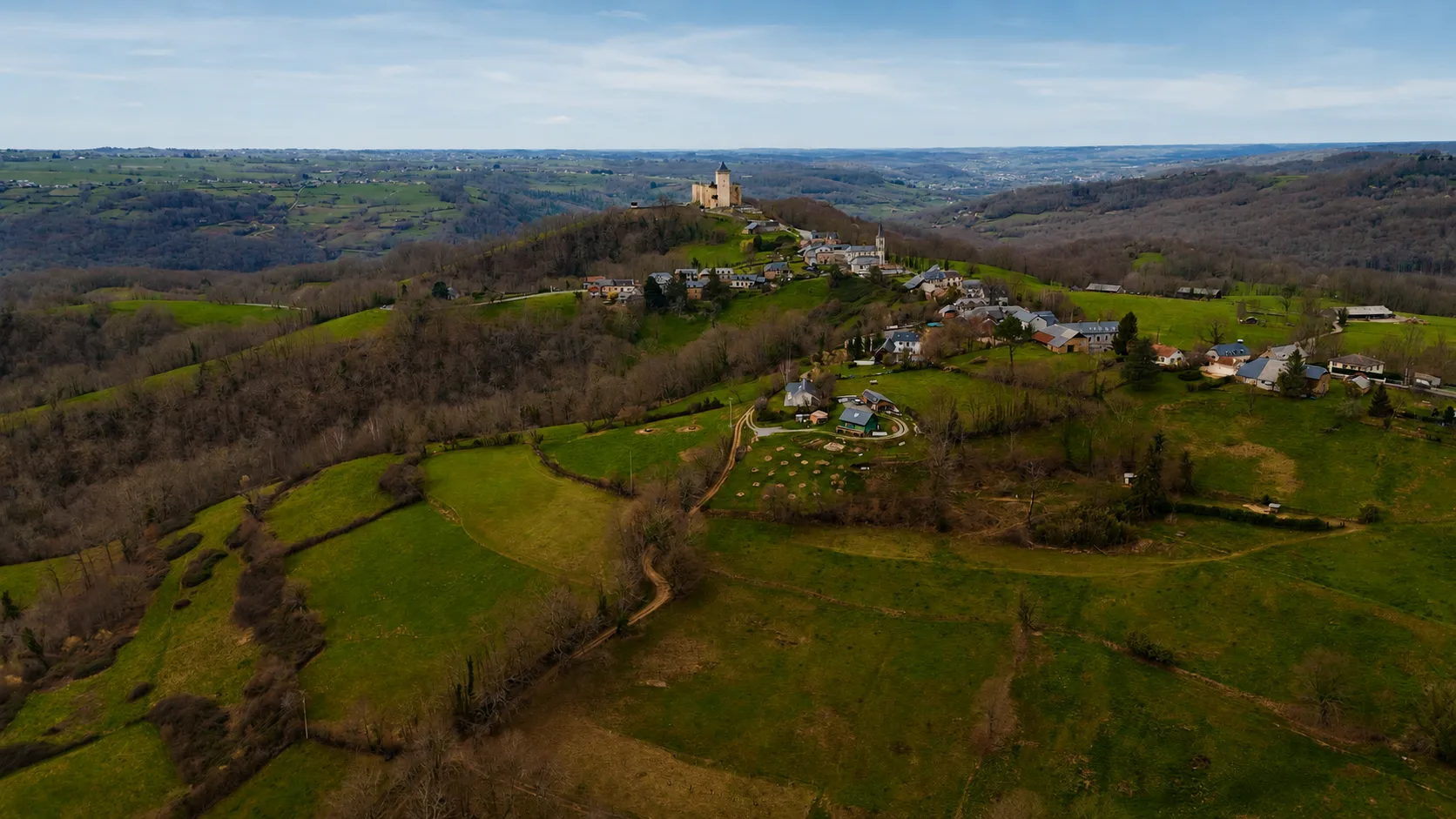
Hydrogeco prend place dans le Comminges, un territoire marqué par une histoire industrielle, agricole et énergétique, mais aussi par des paysages, des usages locaux et des enjeux environnementaux qui sont pris en compte à chaque étape du projet.
Why the Pyrenees?
Les Pyrénées constituent l’un des territoires les plus prometteurs d’Europe pour l’étude de l’hydrogène naturel. L’histoire tectonique à l’origine de la formation de la chaîne Pyrénéenne a conduit à la résurgence de corps de manteau supérieur. Dans le Comminges, cette histoire se retrouve dans l’organisation du sous-sol. La zone est aujourd’hui recouverte en grande partie par des formations récentes du Quaternaire, liées notamment à l’érosion des Pyrénées et au cône de Lannemezan. Plus en profondeur ou sur les bordures du périmètre, on retrouve aussi des formations plus anciennes, notamment du Miocène, de l’Éocène, du Crétacé et du Trias, qui témoignent de l’histoire longue et complexe de la chaîne pyrénéenne.
C’est cette particularité qui crée un contexte géologique rare. Des roches particulièrement riches en fer issues des profondeurs de la Terre (péridotites) peuvent entrer en interaction avec l’eau. Cette réaction naturelle, appelée serpentinisation, transforme progressivement la roche et conduit à la production d’hydrogène.
Les travaux des équipes scientifiques Mantle8 ont permis d’identifier dans cette zone plusieurs éléments géologiques favorables, susceptibles d’intervenir dans la formation, la migration et l’accumulation de l’hydrogène naturel.

An energy story rooted in the territory
The Comminges region has long had a special connection with energy and the subsoil. The discovery of the Saint-Marcet deposit in 1939, followed by the development of oil and gas activities, has profoundly marked the local industrial history.
This period has left a lasting imprint on the territory: know-how, infrastructure, but also a collective memory associated with an important era of its economic development.
Understanding this story is essential. It serves as a reminder that projects involving the subsoil are never neutral, but rather take place within an inhabited, lived-in space that carries its own history.
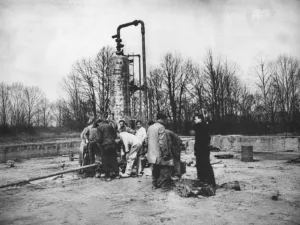
Juillet 1939
Découverte du gisement de Saint-Marcet par deux géologues français :
Léon Bertrand et son élève Louis Barrabé.
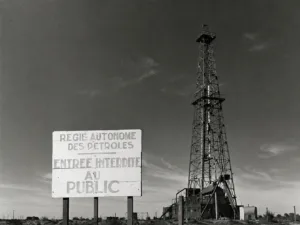
1939
Création de La Régie Autonome des Pétroles par l'Etat pour exploiter le puit.

1967
La fusion du Bureau de Recherches de Pétrole, de la RAP et de la Société nationale des pétroles d'Aquitaine donne naissance à ELF Aquitaine.
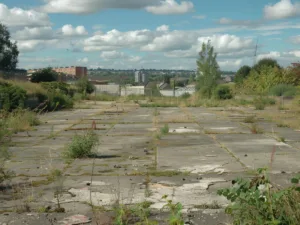
2009
Fermeture officielle de l'exploitation du gisement de St-Marcet.
Strengthen and develop the industrial and economic fabric
L’hydrogène naturel suscite un intérêt particulier car il représente une opportunité d’une ressource locale, produite directement à partir du sous-sol plutôt qu’importée ou fabriquée à partir d’électricité ou d’énergies fossiles.
For the territories, this issue goes beyond the sole energy question. It also affects industrial sovereignty: having a low-carbon resource close to where it is used could help secure certain local needs, particularly for sectors that are difficult to electrify, such as heavy industry, chemicals, or fertiliser production.
However, this perspective must remain conditional on scientific results. Before discussing use or production, Hydrogeco's primary objective is to verify whether the subsoil has the necessary conditions for the presence of a natural hydrogen system.
Environmental consideration at every stage of the project
Environmental considerations began with the application for a Research Permit, which included an environmental impact statement for exploration activities.
A first assessment of the territory
Afin d’identifier les principales sensibilités environnementales du périmètre avant toute étape ultérieure :
- Landscapes
- Natural and cultural heritage
- Watercourse
- Aquifers
- Water quality
- Natural hazards
- Infrastuctures
- Local usages
If an exploratory well is being considered
To identify the environmental sensitivities of the area before any further steps:
- Aquifer protection
- Drilling conditions
- (trouver bon mot)Etude et surveillance de la sismicité induite
- Drilling mud and waste management
- Limitation of impacts on landscapes, fauna and flora
- Limiter les nuisances sonores
- Études faunes et flores

Regulatory framework. Drilling operations are governed by regulations and overseen by the relevant state departments, particularly the regional DREAL (Regional Directorate for the Environment, Planning and Housing) and the MRAE (Regional Missions for Environmental Authority).
Dialogue with local stakeholders
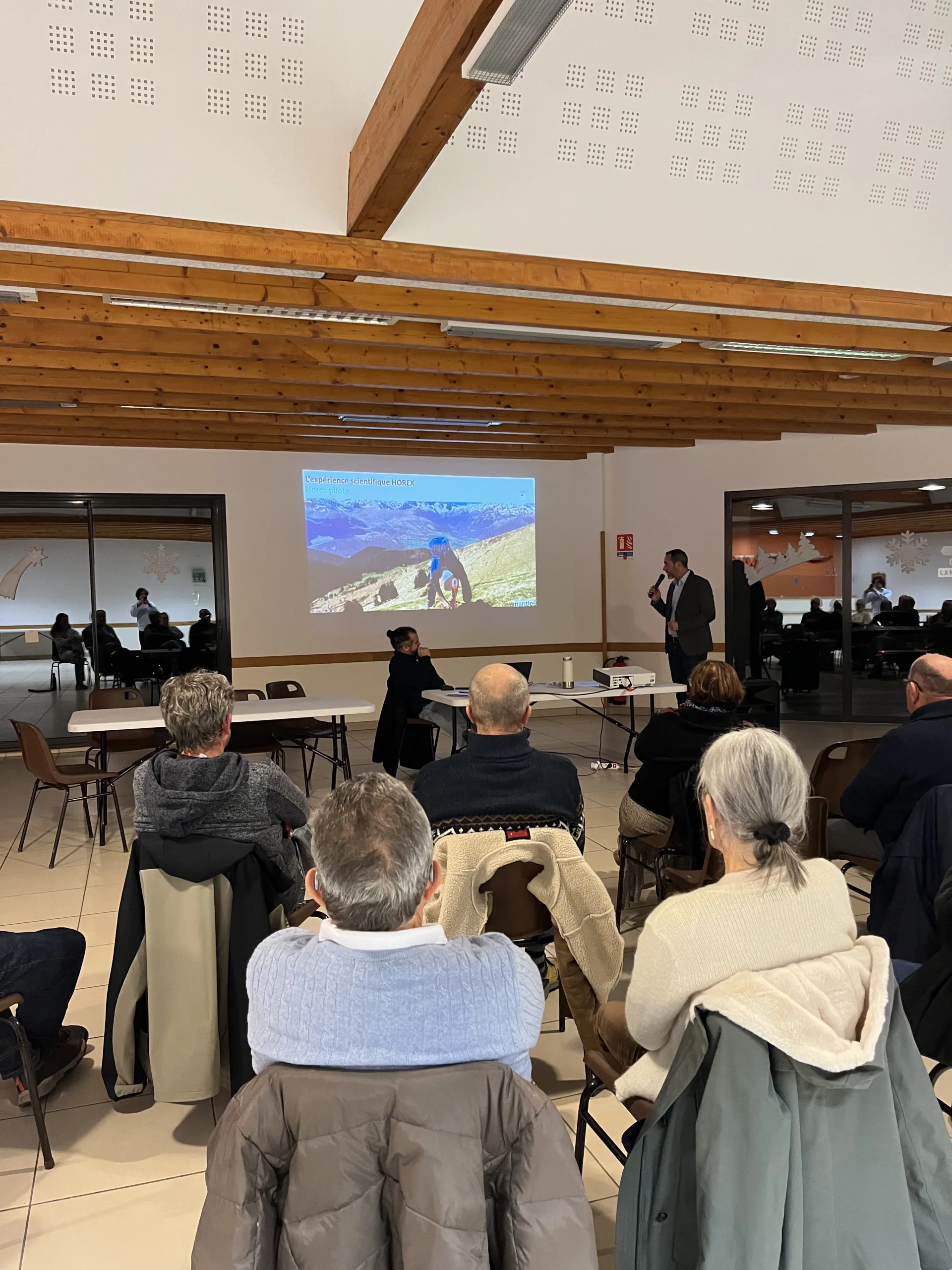
The Hydrogeco project is part of a dialogue with stakeholders in the region. From the initial stages of the project, discussions have been held with local elected officials, local authorities, associations, economic players, and residents to present this scientific and innovative approach, answer questions, and gain a better understanding of local expectations.
This approach is based on several formats: information meetings, meetings with local stakeholders, questionnaires, discussion periods and educational materials. The aim is to make the project understandable, to identify areas of concern and to incorporate feedback from the region throughout its progress.
Because an innovative project related to the underground cannot be conceived independently of its territory, the Hydrogeco team wishes to build a relationship based on science, transparency, listening, and continuous dialogue.
News
Discover what's currently happening at Hydrogeco